Know Your Car Before Problems Feel Bigger
Check Before Driving
Practice a calm walkaround for tires, lights, mirrors, visible leaks, and wiper blades before small issues are missed.
Read Basic Warnings
Learn how dashboard lights, temperature gauges, strange sounds, and vibration can be noted without unsafe guessing.
Talk To Mechanics Clearly
Use simple automotive words to describe when a problem happens, what changes, and what signs appeared first.
Built Around Safe Owner-Level Checks
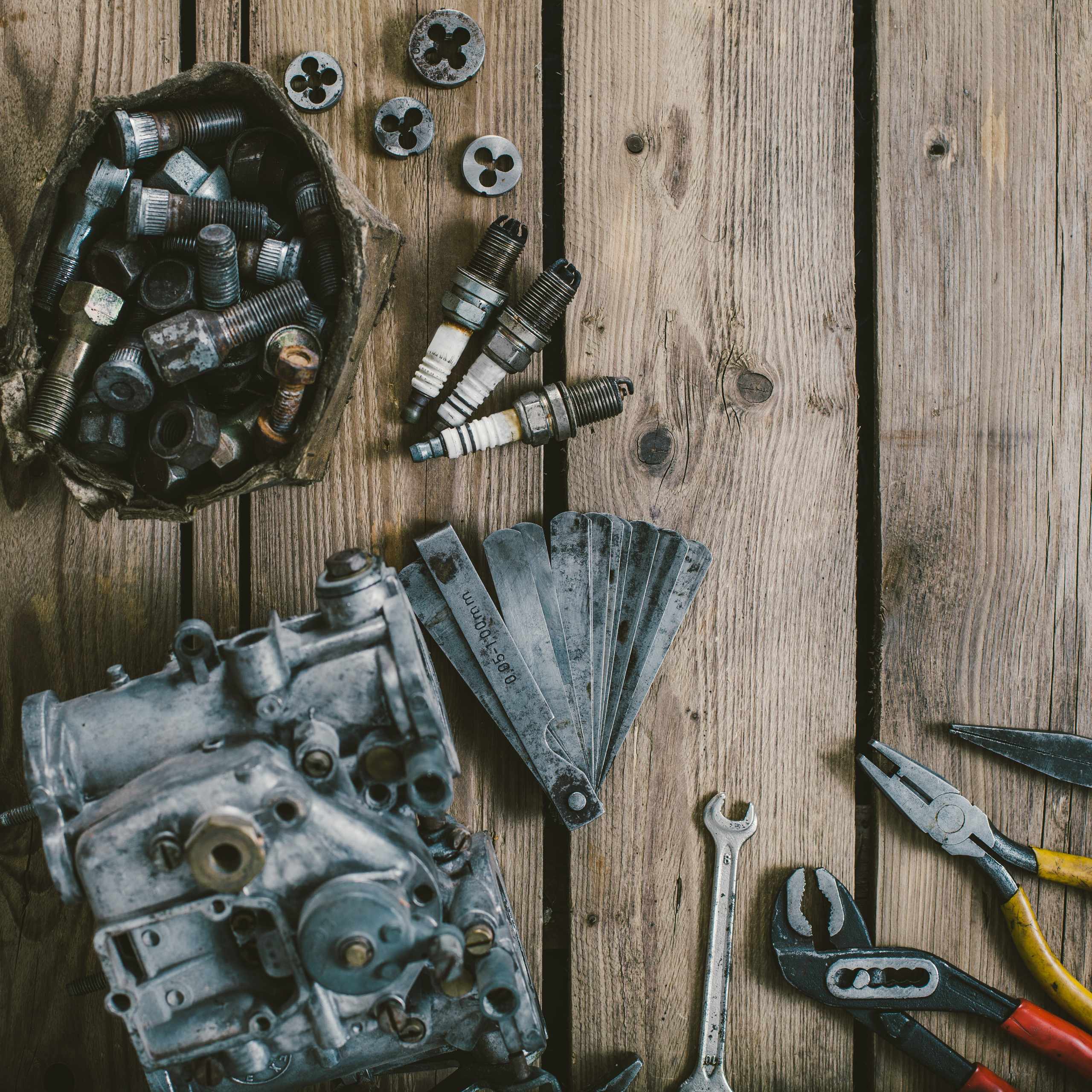
Under-Hood Observe
Learn what can be observed safely in a cool, parked vehicle.
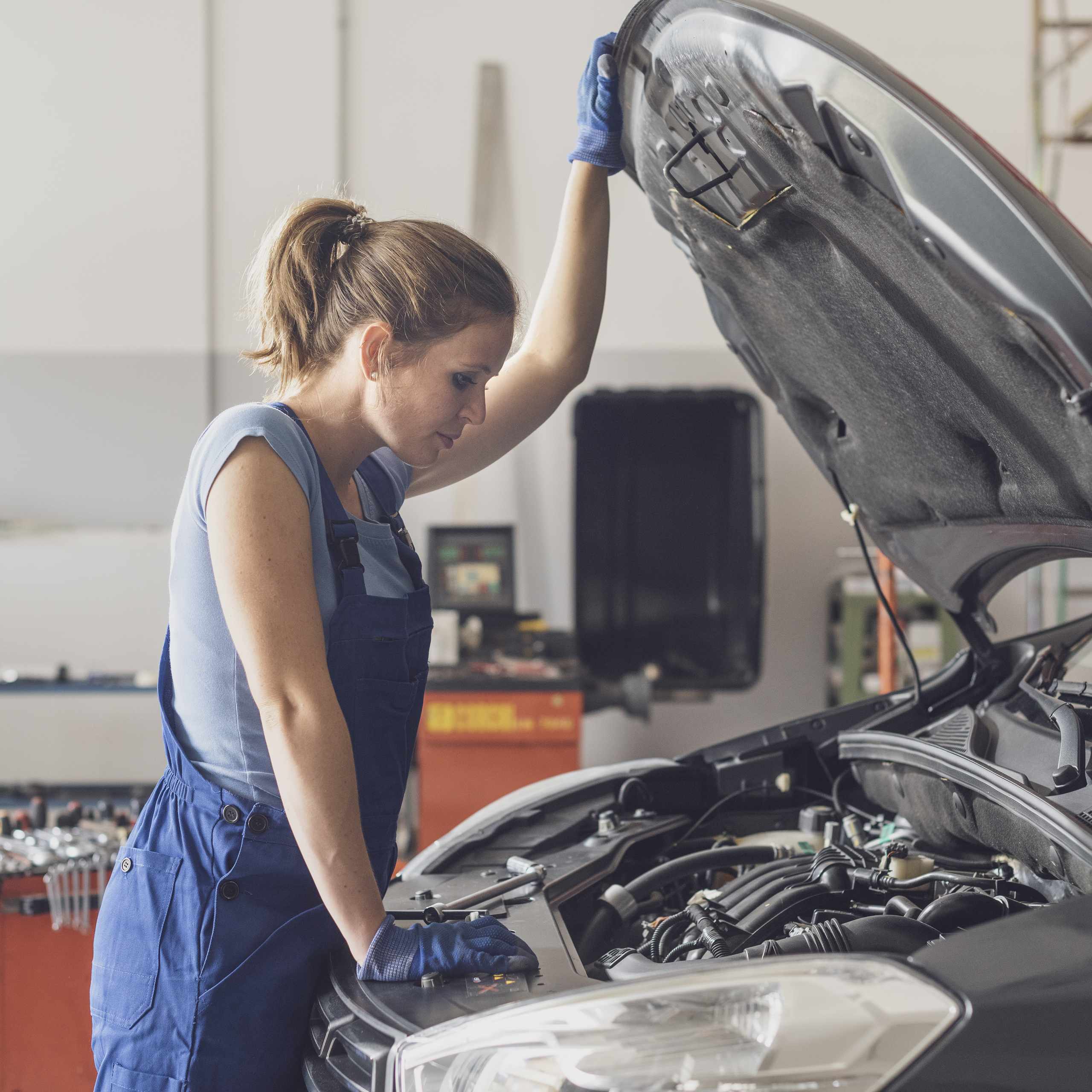
Tires And Fluids
Practice checking pressure, tread, oil level, washer fluid, and visible leaks.
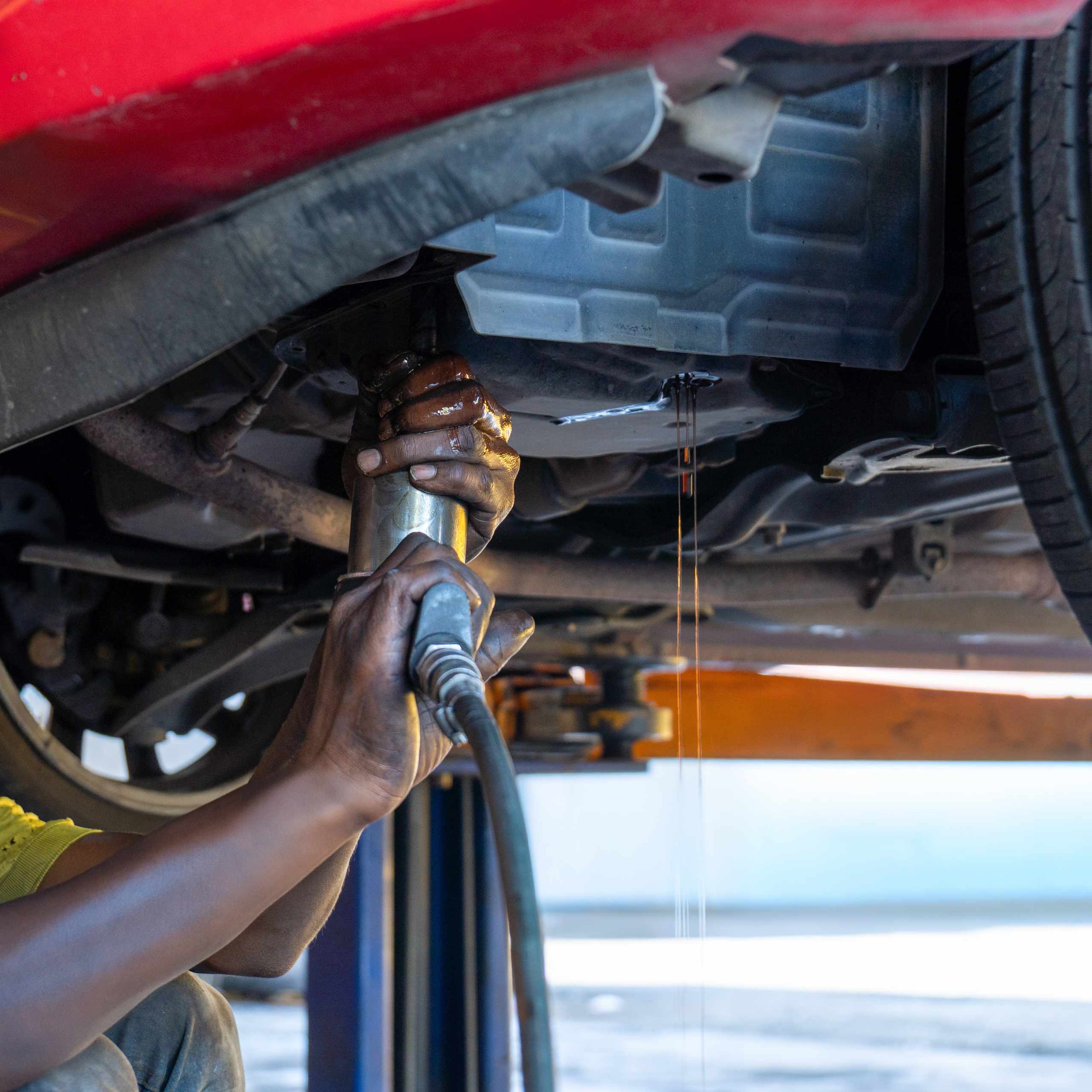
Service Visit Words
Prepare clear notes before asking about brakes, battery, lights, or noises.
See How The Course
Handles Car Basics
The approach focuses on observation, safe checks, useful vocabulary, and
knowing when a mechanic should inspect the problem.
Read practical guides on tires, fluids, dashboard lights, and safer first checks.

I’ve always been interested in cars, but until now I didn’t have enough knowledge to truly understand how a car works. The automotive repair course was a great starting point for me! I especially liked the practical part, where under the guidance of experienced instructors, I worked on real problems: changing the oil, brake pads, and even learning how to diagnose system errors.

I decided to take an automotive repair course to update my skills and learn about new technologies in car repair. Honestly, I had some doubts at first, but now I’m glad I enrolled! The course content turned out to be well-rounded and relevant.